






Sitting at an open-air restaurant in Tbilisi’s Old Town, I had a plate of the local specialty khinkali, a dumpling-like dish somewhat similar to China’s soup dumplings in front of me, while my ears caught a mix of Georgian, Russian, and bits of Chinese.
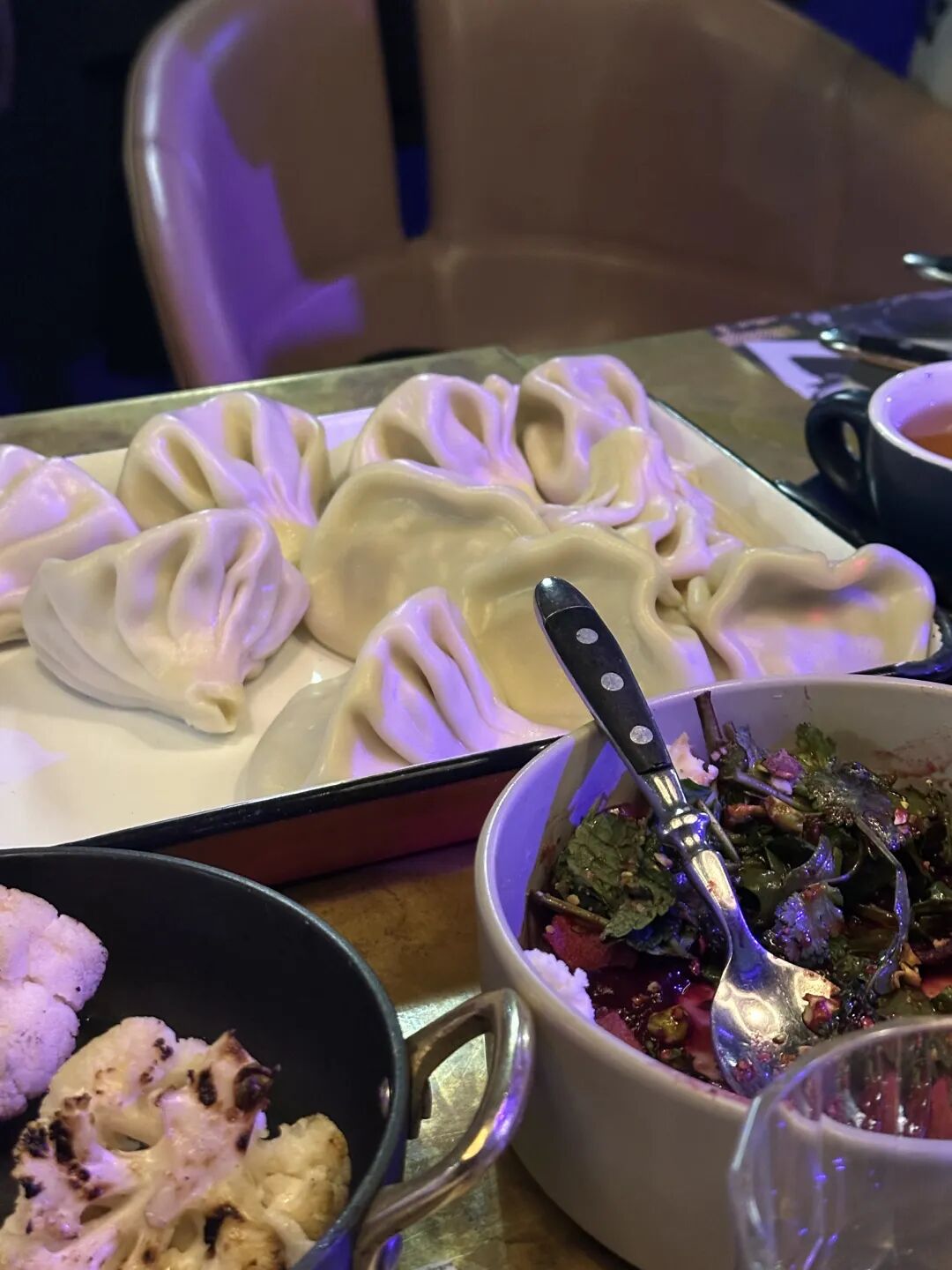
Local food khinkali
At the next table, a few middle-aged Russian sipped red wine with the snow-capped mountains in view. Two Chinese travelers were filming a languid dog asleep by the roadside. Diagonally across from me, a couple in casual suits were asking about the price of a short-term rental apartment—chatting with them, I learned their next stop was supposed to be Dubai, but because of the war, their flight to Dubai was rescheduled at the last minute, so they decided to stay in Tbilisi for a month instead.
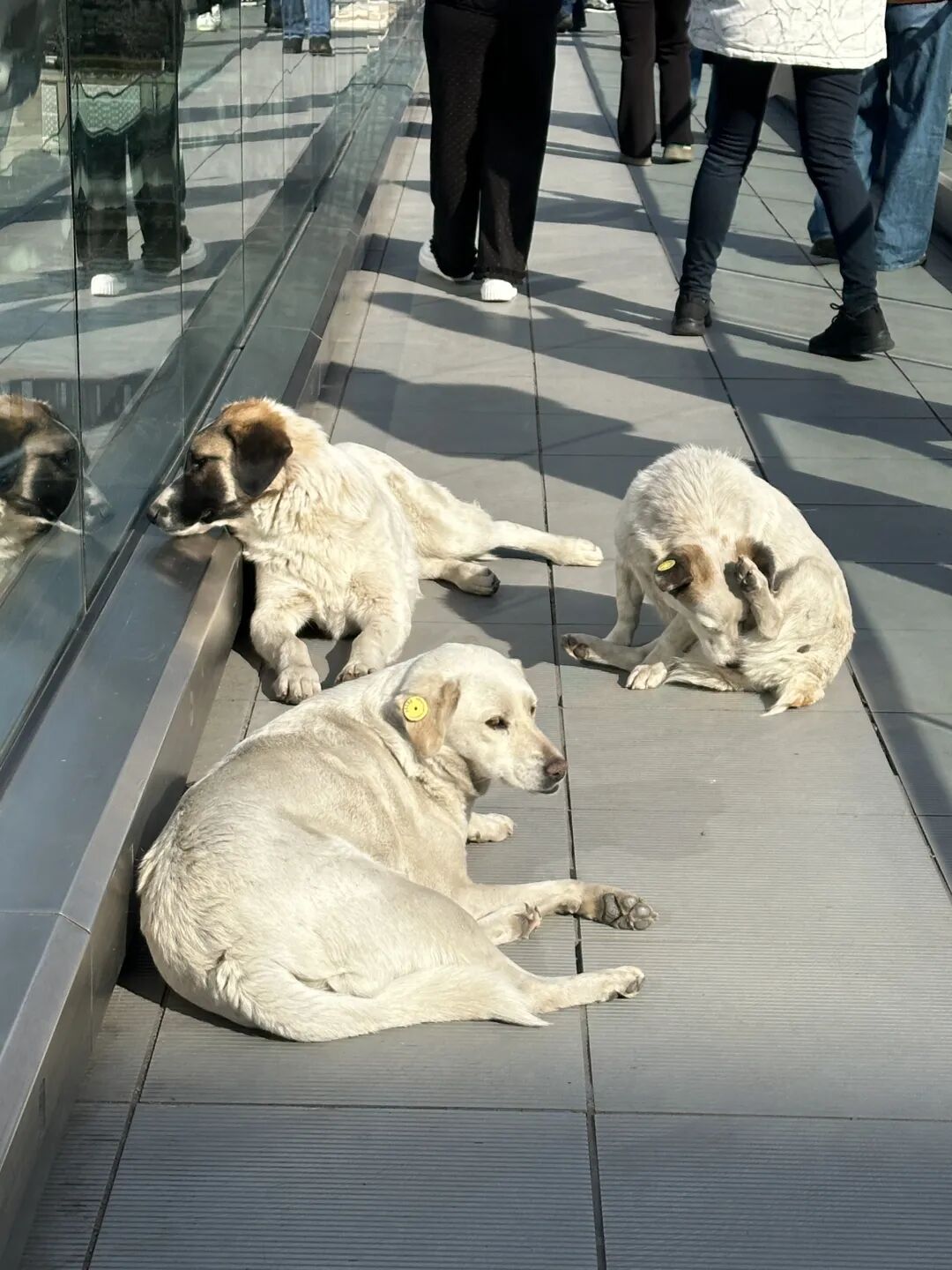
Caption: Stray dogs are everywhere in Tbilisi
A quick search later, I found out that Georgia is one of the countries that offers a dedicated digital nomad visa, aimed specifically at international visitors who want to work remotely in Georgia legally.
For many people, Georgia is characterized as “a budget-friendly alternative to Europe.” The country straddling Europe and Asia is emerging as a promising player in the post-war international tourism market.
Arrival of Visitors from the Middle East
Before heading to Tbilisi, I looked up figures from the Georgian National Tourism Administration. In 2024, international arrivals to Georgia reached more than 7.36 million. In 2025, the number of international visitors grew markedly year on year, with Russian and Chinese tourists accounting for a large share—and the proportion of Chinese visitors was steadily rising.
Walking along Tbilisi’s cobblestone streets, you can see Russian tour groups everywhere. The owners of small roadside shops can not only manage a few simple phrases in Russian, but also fluently say “thank you” and “hello” in Chinese.
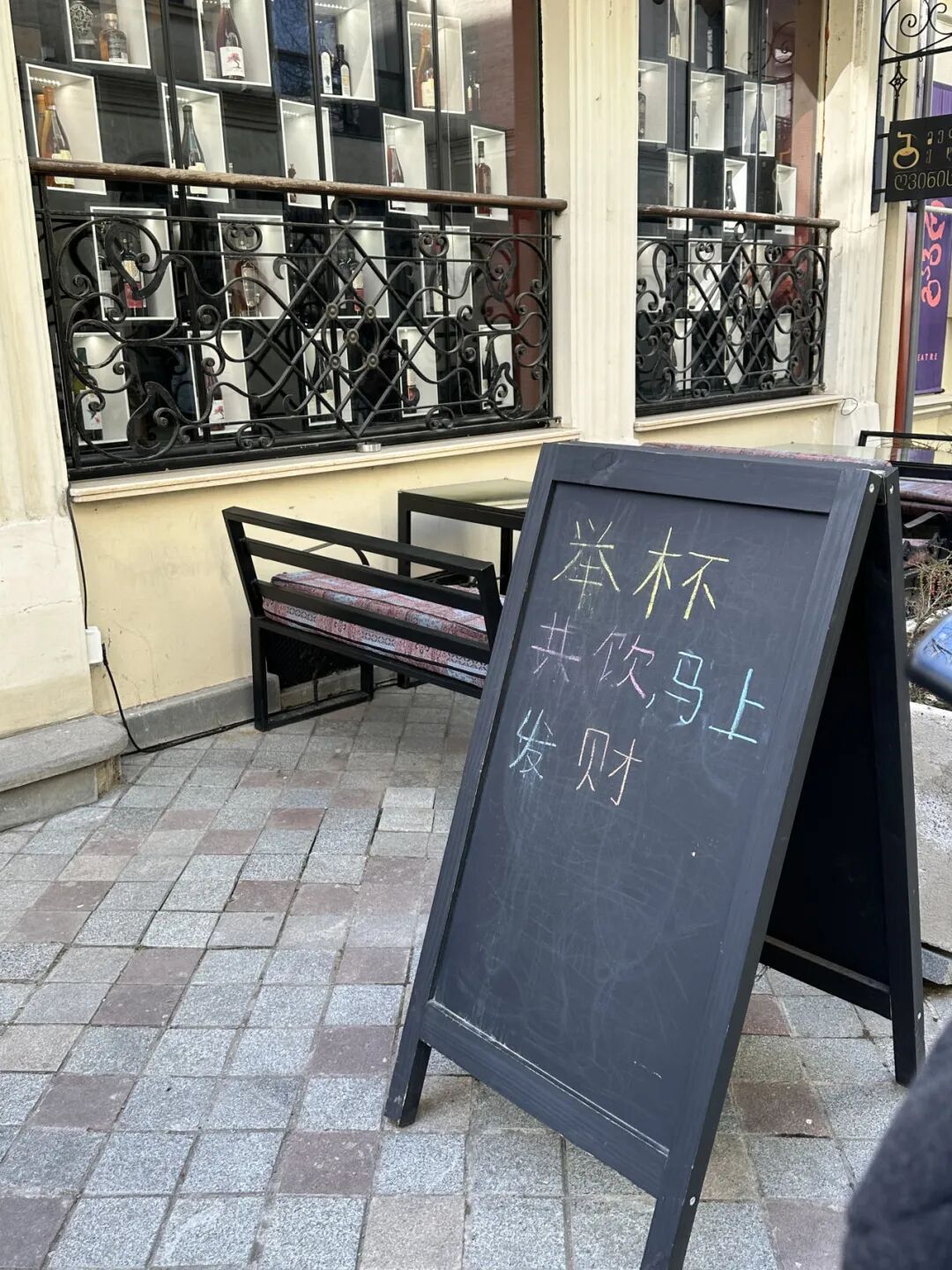
A roadside restaurant in Tbilisi with a Chinese sign
My guide told me that after the Russia-Ukraine war broke out, Russian tourists became “regulars” in Tbilisi. On the one hand, Georgia offers visa-free entry to Russians, it’s a short flight away, and tickets are cheap. On the other hand, compared with the restrictions some European countries imposed on Russians, Georgia has been more accommodating. Quite a few Russians have chosen to live in Georgia for the short term, and many Russian entrepreneurs have come to Tbilisi to open restaurants and run guesthouses—indirectly fueling the growth of the local tourism market.
Meanwhile, the share of Chinese visitors has been rising at a visibly fast pace. In 2024, the number of tourists from China reached 88,583—up 83%—making China one of the fastest-growing source markets. At Svetitskhoveli Cathedral in Mtskheta, Georgia’s former capital, I ran into quite a few Chinese travelers, including both tour groups and individual visitors.
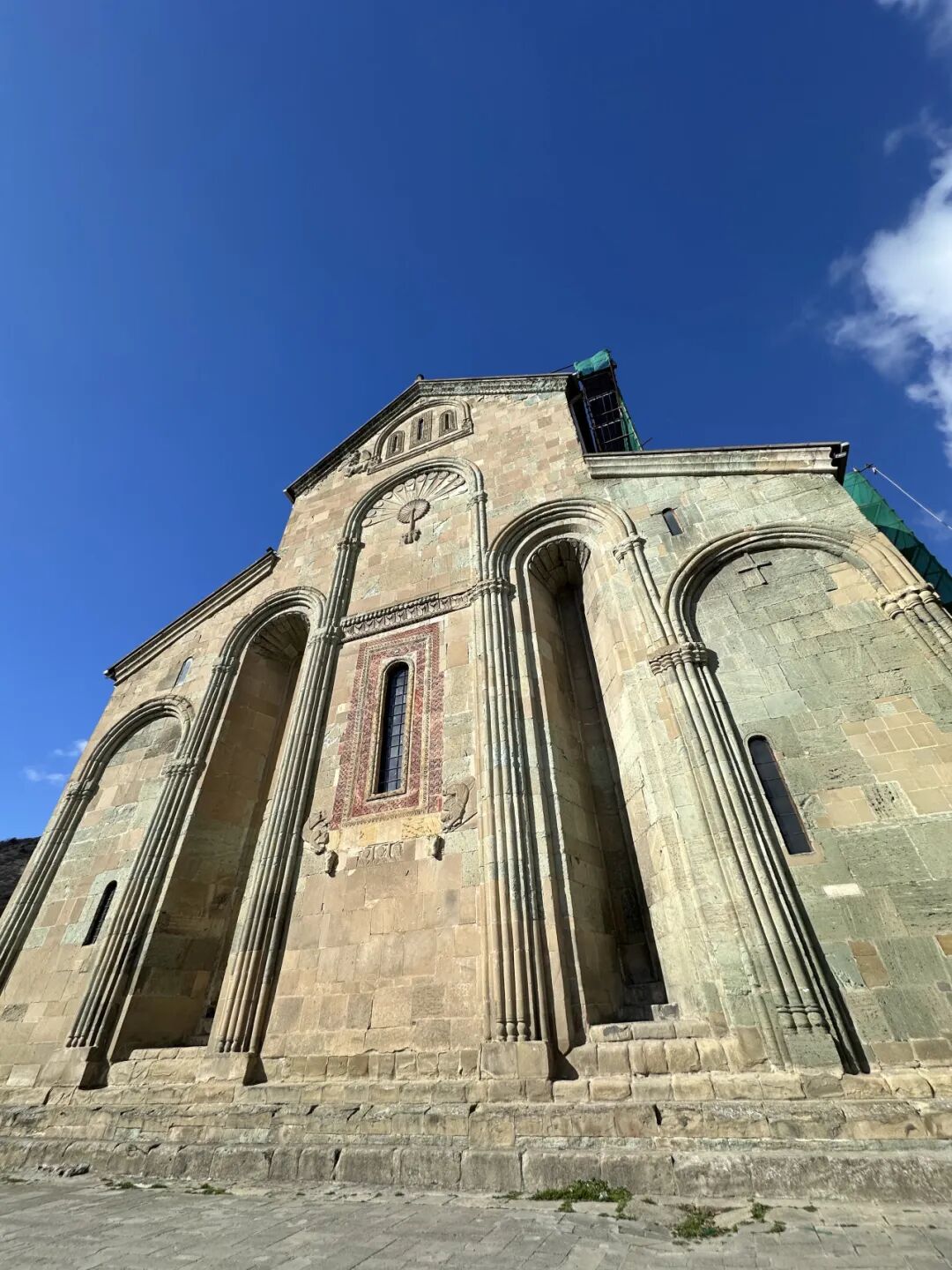 Svetitskhoveli Cathedral
Many of them were inspired by recommendations on Xiaohongshu and Douyin, drawn by tags like “Caucasus snow-mountain trekking.” Compared with places like western Sichuan or Gannan in China, they can get an exotic experience here at a better value. Their next stop is often Kazbegi—home to the “church closest to heaven,” another famous social-media hotspot on Xiaohongshu and Douyin.
What’s especially worth noting is that Georgia has been attracting a growing number of visitors from the Middle East. Put simply, the aftershocks of the Russia–Ukraine war have yet to fade, and the Middle East situation remains volatile at times. Traditional “hot” tourist destinations are either becoming prohibitively expensive or carrying higher security risks. Georgia, thanks to its visa-free entry policy, low-cost advantage, and distinctive cultural-and-tourism offerings, has unexpectedly caught a wave of “overflow demand.”
In the post-war period the structure of tourist demand has been taking on three clear traits: “shorter-haul, lower-cost, and safer.” Georgia happens to tick all three boxes: it is close to both Russia and the Middle East markets; visa-free entry lowers the barrier to travel; prices are lower than in Europe and in wealthier Middle Eastern countries; and the situation is relatively stable. It has therefore naturally become a “second-best” option for many travelers—and that very “second-best” choice has turned into a once-in-a-lifetime opportunity for Georgia’s cultural and tourism development.
Niche Tourist Destinations
After spending a few days in Tbilisi, my biggest takeaway was that the local tourism market is shifting from basic sightseeing to deeper, more immersive experiences.
Many people come to Georgia initially because of social-media-famous attractions—like Kazbegi’s “loneliest church in the world,” the Holy Trinity Cathedral in Tbilisi, the sulfur baths in the Old Town, and the seaside sculpture in Batumi.
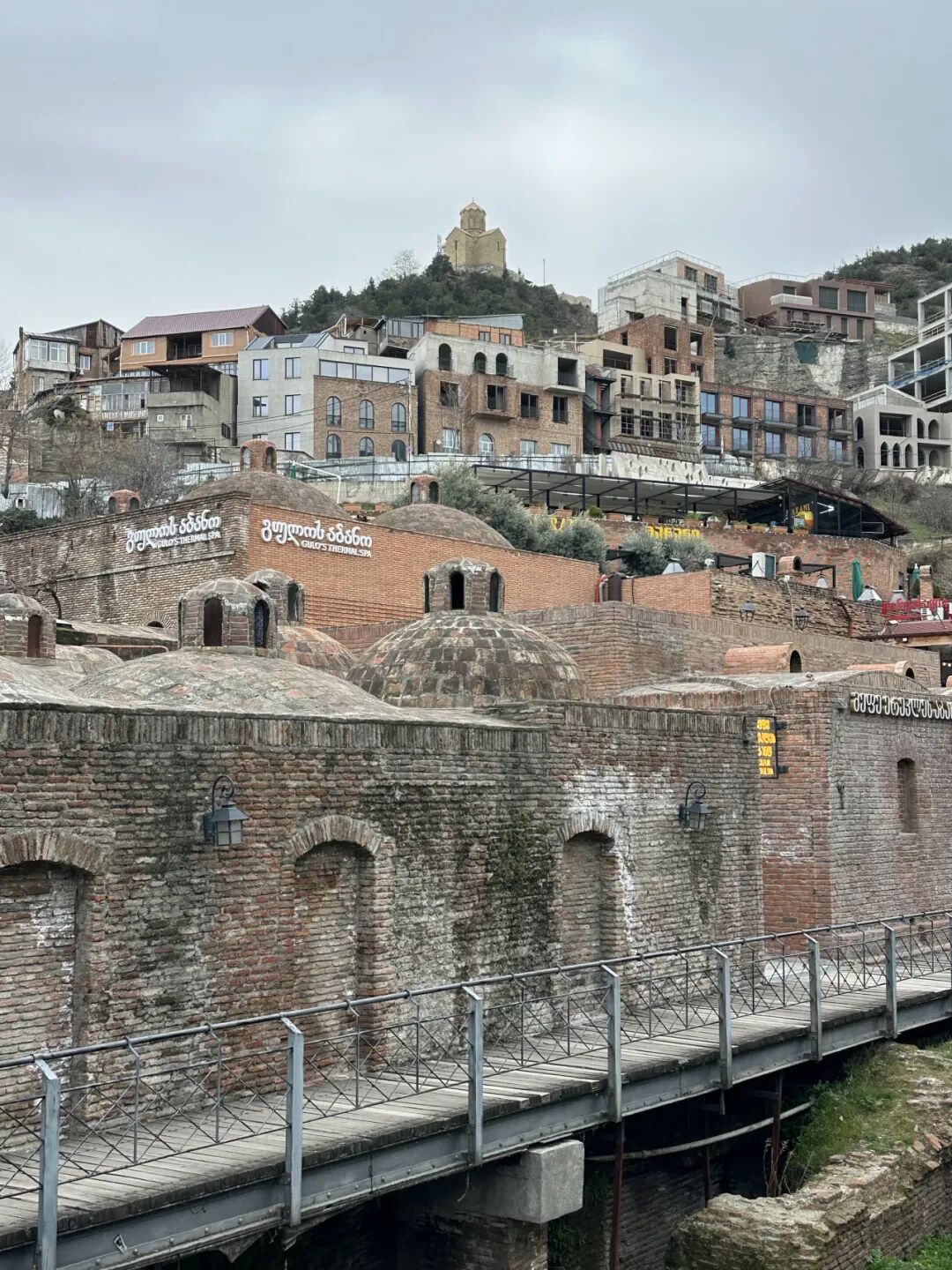
A signature sulfur bath in Tbilisi
On Xiaohongshu, the three Caucasus countries have long become a rising star among hiking destinations. A Chinese woman surnamed Gu said that she chose to hike there because Georgia offers visa-free entry; the altitude isn’t too high; there are routes that balance hiking with scenery—ideal for leisurely treks; and the trails span multiple countries, truly giving people a sense of “the freedom of the wilderness.”
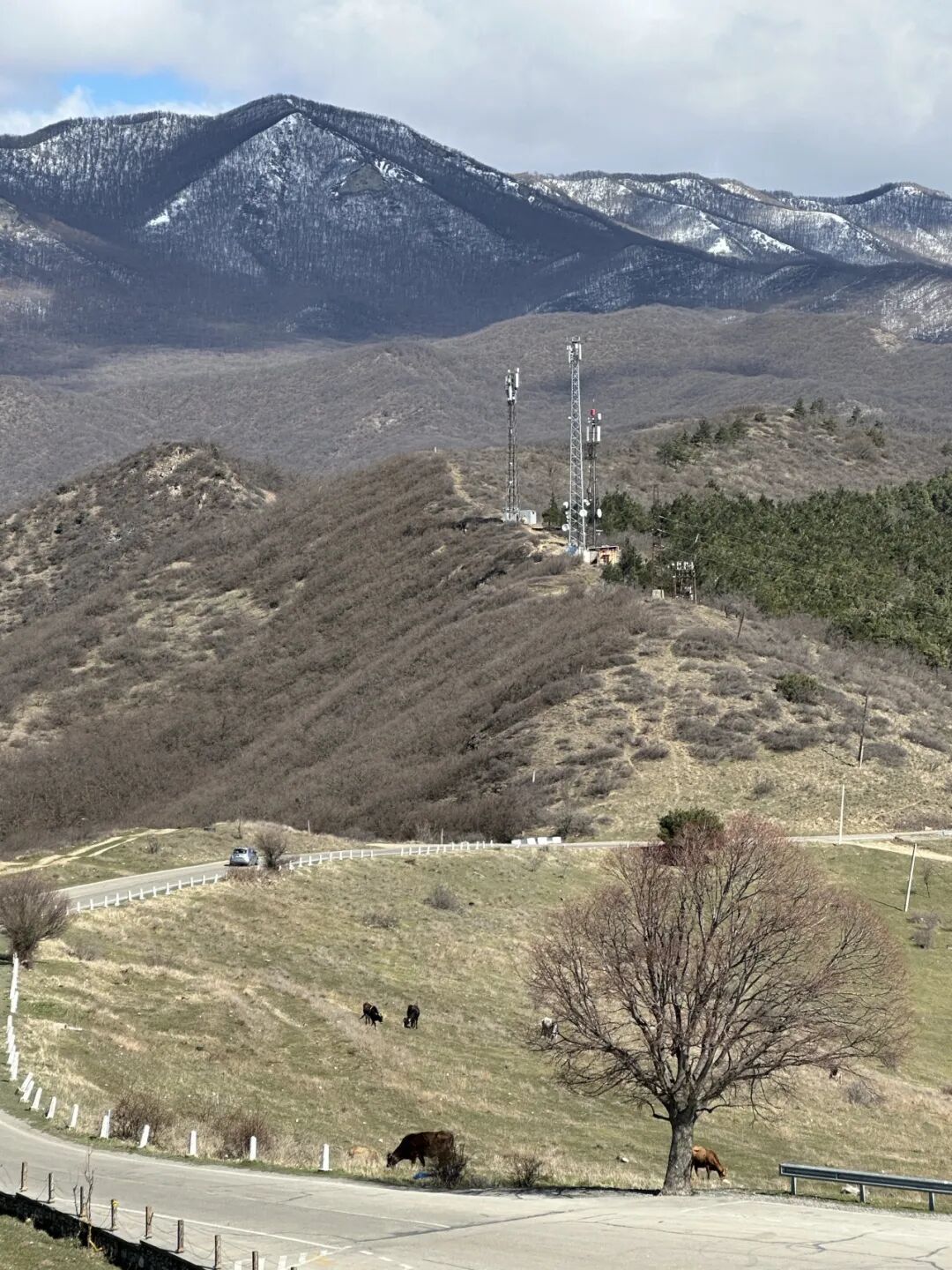
Mtskheta
This demand for “immersive experiences” is also evident in the development of other offerings. Many visitors come here not only for a holiday, but also to visit local wineries and experience an 8,000-year-old tradition of winemaking in clay vessels—Georgia is one of the world’s oldest cradles of wine, and its traditional Qvevri (clay amphora) winemaking method has been inscribed on UNESCO’s Intangible Cultural Heritage list.
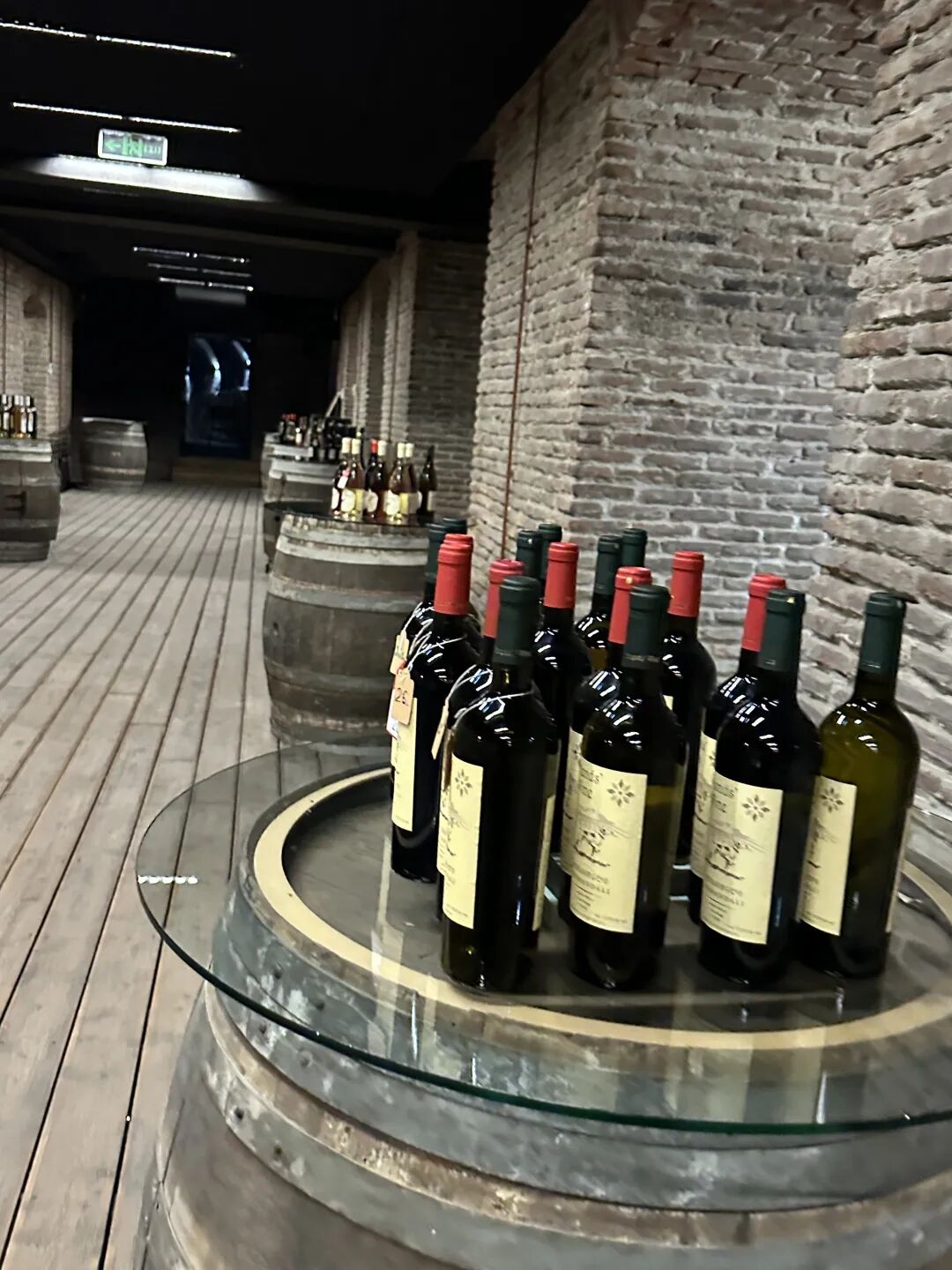
Georgian wine culture
Behind this is a profound shift in post-war travel demand: after living through conflict and uncertainty, people are increasingly looking for travel experiences that feel “authentic, relaxing, and warm,” no longer blindly chasing trendy destinations. Instead, they are more willing to head to lesser-known places and take in a different way of life and local character.
From an industry perspective, this evolution in demand has also created an opening for niche destinations like Georgia. Traditional hotspot destinations often suffer from over-commercialization, a diminished experience, and inflated prices. In the post-war period, tourists have become more rational in their spending: they are more willing to pay for “unique experiences” rather than for an “internet-famous” label. If Georgia can seize this demand and double down on in-depth experience products, it can secure a place in the international tourism market.
Lots of Space for Tourism Development
No sooner had we landed than the guide mentioned that Tbilisi has a “Shanghai Street,” a name meant to convey Tbilisi’s hope of learning from a modern metropolis like Shanghai. She said: “Georgia is never short of tourism resources—but it lacks the ability to monetize them.” That line neatly captures the current state of Georgia’s culture-and-tourism sector—enormous potential, but lagging development. In Maidian’s view, however, this very “incompleteness” is precisely where the opportunities for international tourism investment and development in the post-war period lie.
Straddling the boundary between Europe and Asia, the country offers both European romance and Asian flair, with exceptionally rich tourism resources.
In terms of natural scenery, from the snow-capped peaks and glaciers of the Caucasus Mountains, to the beaches and wetlands along the Black Sea coast, and then to the fantastical stalactites of Prometheus Cave, it covers almost every type of natural landscape.
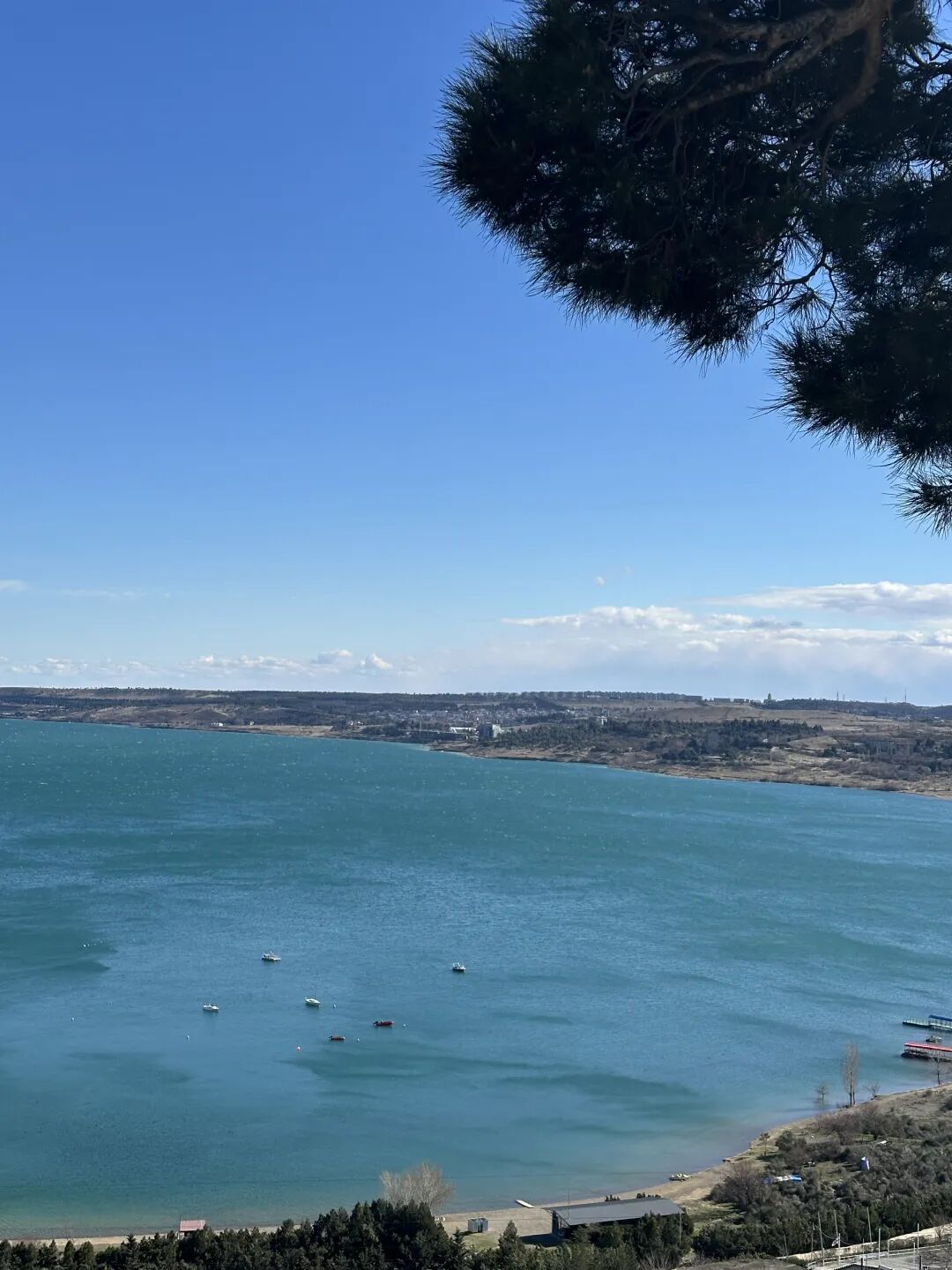
Tbilisi Sea
On the cultural side, it was among the earliest Christian nations in the world, with three UNESCO World Heritage sites and 14 sites on the tentative list. The medieval architecture of the old town, ancient churches, and traditional folk festivals all have a distinctive allure.
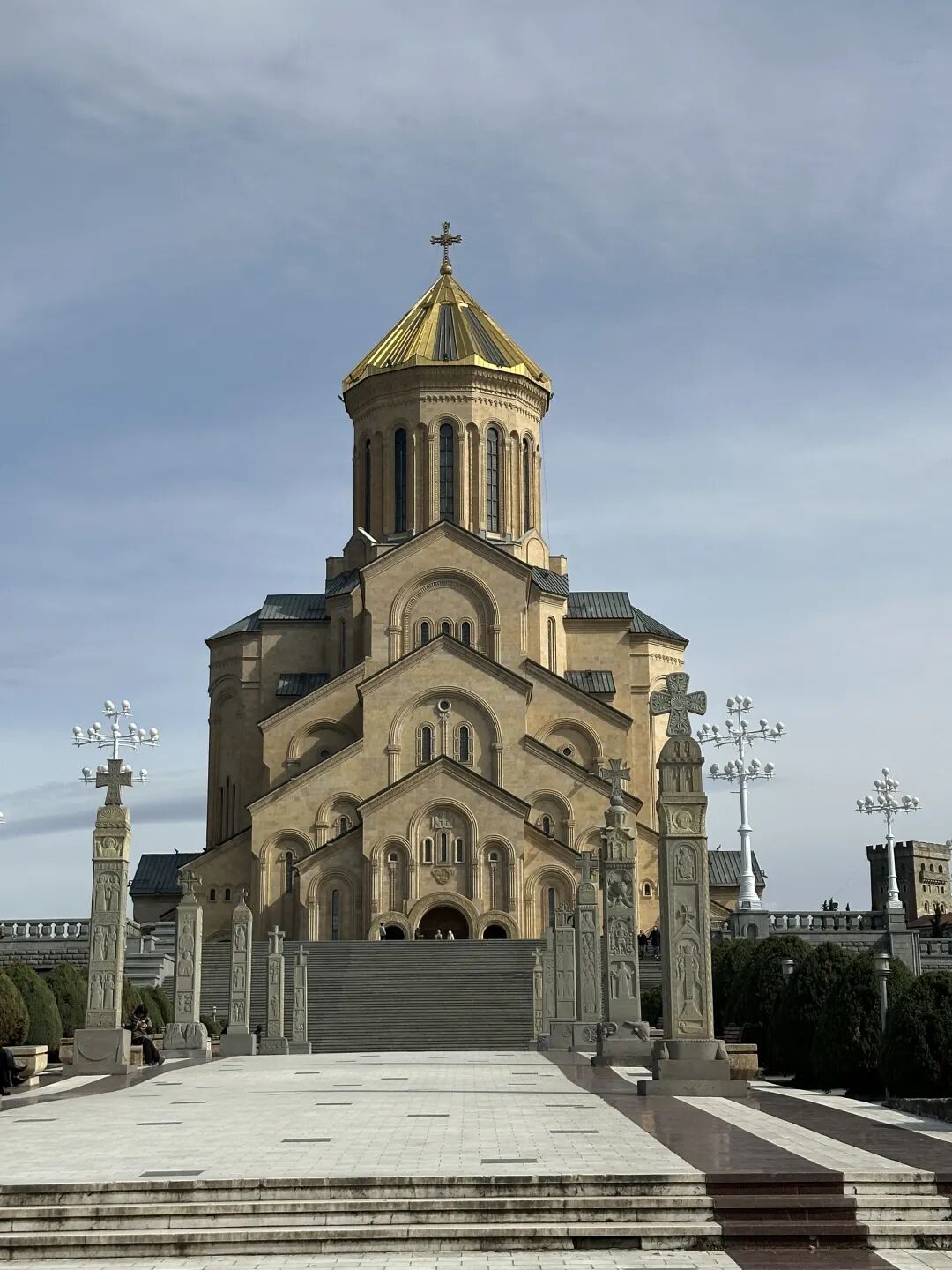
Holy Trinity Cathedral
And then there’s its cuisine and wine culture, which can cater to a wide range of tastes.
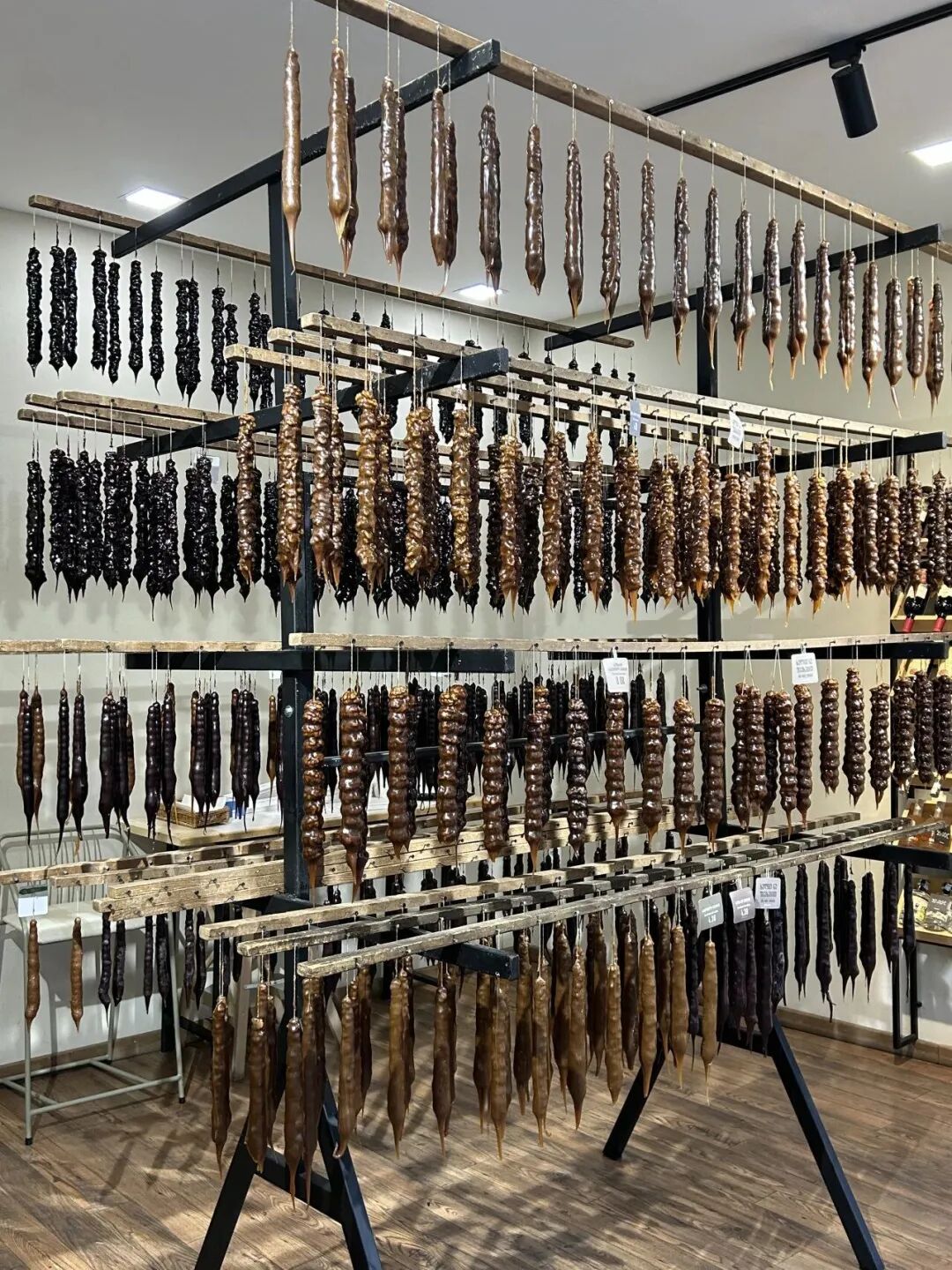
Caption: Churchkhela
But local cultural and tourism development is still at an early stage, and both infrastructure and service standards need to be improved. Take Tbilisi as an example: while transportation in the city’s core areas is fairly convenient, getting between attractions by public transit isn’t easy. Many visitors end up hiring a car, yet the local road conditions are complicated, which makes for a less-than-pleasant experience.
Supporting facilities at scenic areas are also quite basic. Many hiking routes lack clear signage and rest areas; restroom conditions are poor; and the professionalism of service staff still leaves room for improvement.
At the same time, the development of cultural and creative products is also rather weak. A tour guide complained, “Our scenic-spot merch here—aside from fridge magnets—is still just fridge magnets.” I visited several sites in person and found that this was indeed the case—whether in small shops in Tbilisi’s Old Town or in the souvenir stores around Mount Kazbek, the cultural-creative products for sale were almost all the same: fridge magnets and keychains printed with simple attraction images, with no real design sensibility or cultural substance—and they weren’t cheap, either.
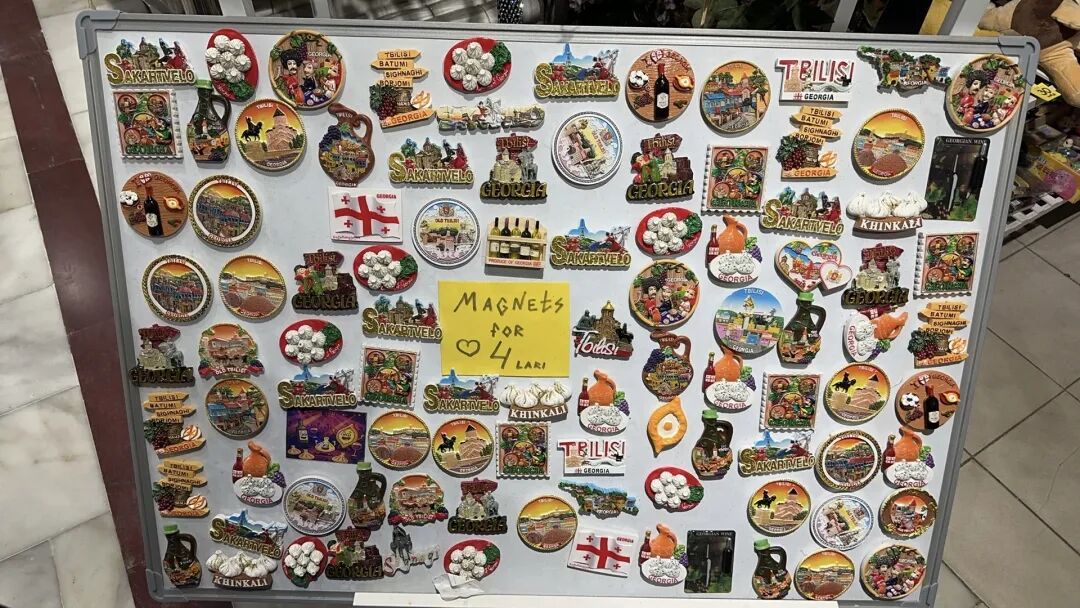
Georgian fridge magnets
However, from an industry-development perspective, these “weak links” are precisely the opportunity. In the post-war period, the international tourism market is being reshuffled. Competition among traditional blockbuster destinations has already become fiercely intense, while niche destinations like Georgia—rich in resources but underdeveloped—actually have greater room to grow.
Take the cultural and creative industry, for example: it’s still in its early stages. As long as developers can draw on local religious culture and natural landscapes to create distinctive, well-crafted cultural and creative products, they can seize the market quickly. Then there’s infrastructure: as visitor numbers grow, the Georgian government will inevitably increase investment in transportation and supporting facilities around scenic areas—creating opportunities for international cultural and tourism investment as well.
More importantly, the Georgian government has already recognized both its strengths and its weak points, and it is actively pushing the development of tourism.
In 2024, the China–Georgia mutual visa-free agreement officially took effect, and direct flights were increased in frequency, dramatically lowering the barrier for Chinese tourists to travel. Tbilisi was selected as a globally popular tourist destination, and the government strongly promoted various urban renovation and new-build projects, such as the restoration of Narikala Fortress and the comprehensive renovation of Rustaveli Avenue. At the same time, it advanced upgrades to the city’s public transportation to improve visitors’ travel experience. All of these measures have been paving the way for the growth of Georgia’s cultural and tourism sector.
On the day I left, I strolled through the streets of Tbilisi’s Old Town. Outside a trendy portrait coffee shop, a Chinese couple walked out holding freshly illustrated coffee cups, discussing where to go next. On a street by Freedom Square, a Chinese girl was playing the guzheng. Everything felt so calm and beautiful.
This city—once ravaged by war yet still brimming with vitality—is like a microcosm of the post-war international tourism market: full of uncertainty, yet also hiding limitless possibilities.
 快报
快报
根据《网络安全法》实名制要求,请绑定手机号后发表评论