







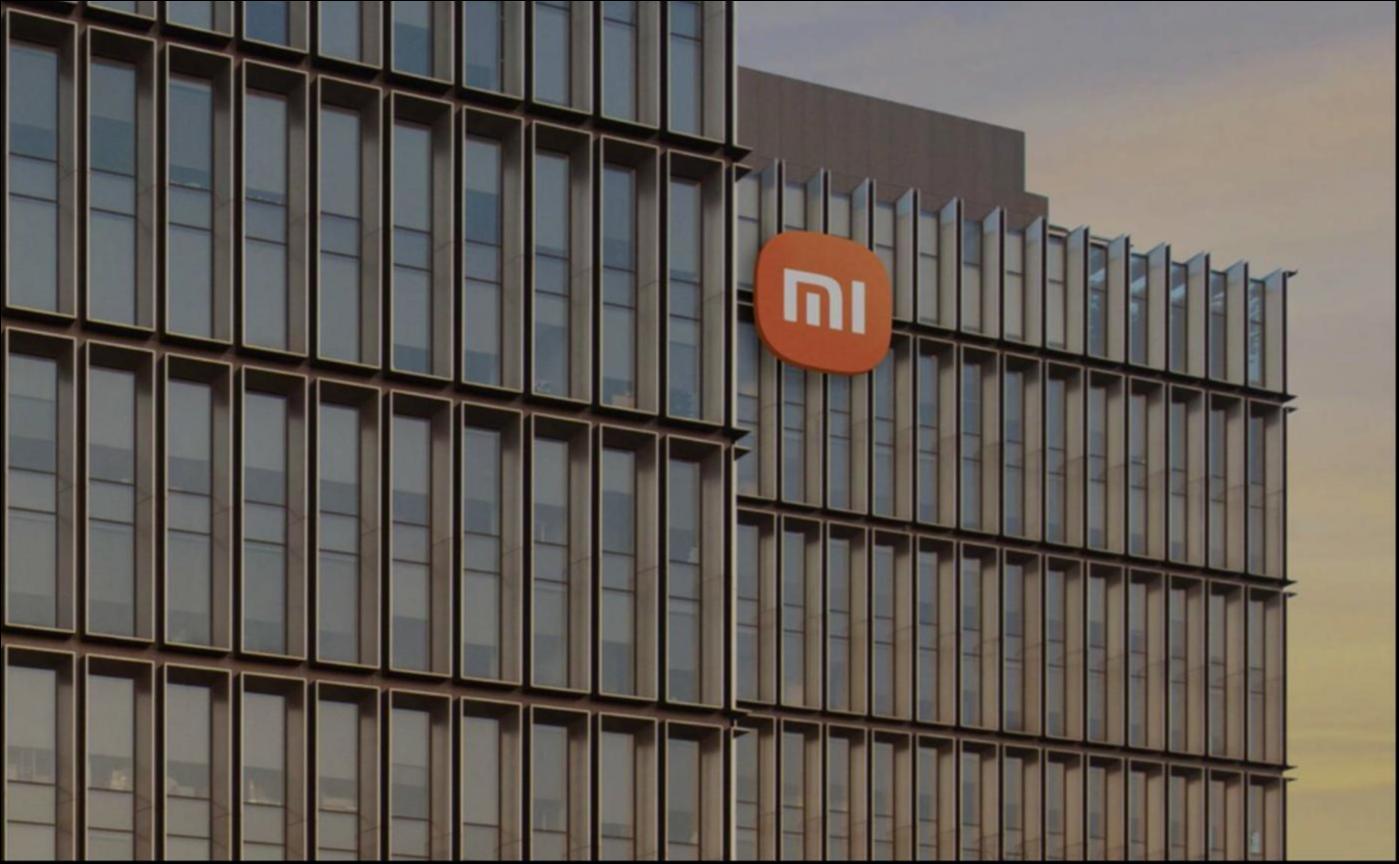
TMTPOST -- Xiaomi Corp. posted blowout first-quarter earnings, buoyed by a return to the top of China's smartphone market, a surging home appliance business, and rapidly improving unit economics in its electric vehicle division.
Revenue rose 47.4% from a year earlier to 111.3 billion yuan ($15.4 billion), topping 100 billion yuan for a second straight quarter. Adjusted net income jumped 64.5% to a record 10.7 billion yuan, the first time the figure has crossed the 10 billion yuan threshold, the company said late Tuesday.
The robust performance was powered by Xiaomi's three core businesses — smartphones, IoT lifestyle products, and smart EVs — each showing strong double-digit growth.
Smartphone and AIoT core revenues rose 22.8% to 92.7 billion yuan. Smartphone sales climbed 8.9% to 50.6 billion yuan, lifted by national subsidies and booming demand for mid-to-premium devices. Xiaomi shipped 13.3 million smartphones in China in Q1, edging past Huawei and reclaiming the No. 1 spot in domestic shipments for the first time in a decade, according to Canalys.
Home appliance revenue surged 58.7% to 32.3 billion yuan, with shipments of air conditioners, refrigerators, and washing machines all climbing more than 65% — a record quarter for the category. Meanwhile, Xiaomi's automotive and AI innovation unit pulled in 18.6 billion yuan, supported by the delivery of 75,869 SU7 electric sedans and a healthy gross margin of 23.2%.
"Despite recent challenges, all indicators suggest Xiaomi is entering the best phase in its history," founder and CEO Lei Jun said in a statement. "Smartphones, appliances, and automobiles are now our three engines of growth — and they're all firing on full throttle."
Xiaomi's smartphone resurgence was largely driven by Beijing's consumer electronics subsidy, which offers individuals up to 500 yuan per smartphone purchase under 6,000 yuan. The policy, launched in January, ignited a 40% year-on-year jump in Xiaomi's domestic smartphone shipments in Q1.
With the highest market share in the 4,000–5,000 yuan segment, Xiaomi was ideally positioned to capitalize. The company's average selling price for smartphones climbed 5.8% to 1,210.6 yuan, driven by surging demand for mid-range and premium devices. Flagship model Xiaomi 15 Ultra saw a 90% year-on-year spike in first-month sales following its February launch.
"Xiaomi executed faster than any local rival to align with the subsidy rollout," one company insider told Bloomberg. "Its direct-to-consumer model gave it a crucial advantage in price adjustments and inventory mobilization."
Xiaomi's IoT and lifestyle division, including large appliances, posted strong gains as its ecosystem strategy gained traction. Air conditioner shipments rose over 65% to more than 1.1 million units. Washing machine shipments more than doubled, surpassing 740,000 units — both categories hitting record highs.
"Consumers are no longer buying Xiaomi products as standalone devices, but as part of a connected ecosystem," said President Lu Weibing. "That's the Xiaomi difference."
Xiaomi's auto division, once criticized for early-stage losses, is nearing break-even as deliveries accelerate and production scales. The SU7 sedan brought in 18.1 billion yuan in revenue in Q1 — a 10.7% quarter-on-quarter increase — while operating losses narrowed to 500 million yuan from 700 million yuan in Q4. Gross margin improved to 23.2%, overtaking BYD's 20.1%.
"There hasn't been a real rival to the SU7 since launch," said Lu. "Its product strength ensures both volume and margin." The model has delivered 258,000 units to date, including over 28,000 in April alone — making it the best-selling car in China priced above 200,000 yuan.
Lu also revealed that the upcoming Xiaomi YU7 has attracted triple the lead generation of the SU7's debut. "The YU7 addresses a broader market. We're confident it will extend our lead in EVs."
Xiaomi aims to deliver 350,000 vehicles in 2025. Current monthly output has reached 28,000 units through double-shift production at its Phase I plant, which now runs at 200% utilization. Phase II, adding 150,000 units in annual capacity, is set to go live between July and August, boosting total rated capacity to 300,000. At full tilt, Xiaomi Auto could produce as many as 500,000 vehicles per year.
With momentum across all major businesses and production capacity ramping, Xiaomi appears well-positioned for a sustained expansion phase.
Shares of Xiaomi have gained more than 35% year-to-date as investors bet on the company's transformation from smartphone giant to multi-industry tech powerhouse.


 快报

根据《网络安全法》实名制要求,请绑定手机号后发表评论